

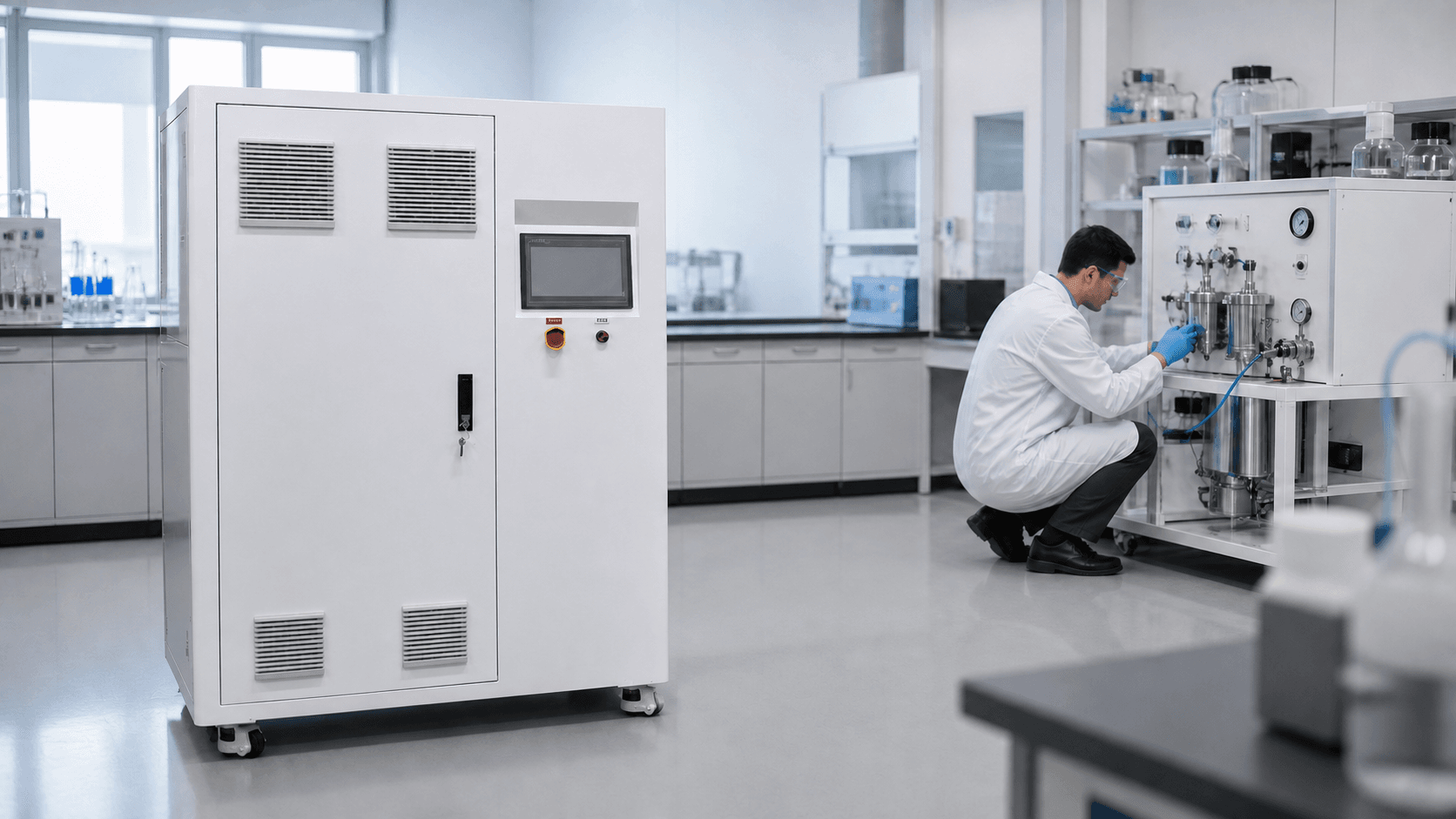
Define what the laboratory actually needs
Laboratory hydrogen projects are diverse. One group may supply analytical instruments with a small, steady flow; another may run a fuel-cell bench, a catalytic reactor or a materials experiment with repeated peaks. The shared mistake is treating all laboratory demand as small and therefore simple. The right system begins with the experiment, not the room size.
List each use point and identify the gas condition at that point: required purity, pressure, maximum flow, normal flow, acceptable moisture, sensitivity to interruption and expected hours of use. Include purge cycles and planned expansion. These details are more useful than a generic statement that the laboratory needs high-purity hydrogen.
In research environments, change is normal. A brief should distinguish today’s verified load from likely next-stage work. This gives the team a reasoned basis to consider modularity, distribution connections, additional storage or an upgrade path rather than buying excess capacity with no defined use.
Why PEM can fit research workflows
PEM electrolysis is widely considered where on-demand hydrogen, compact installation and dynamic response are valuable. The technology choice does not remove the need for engineering review; it changes the questions. Laboratory teams should still evaluate the water supply, gas conditioning, ventilation, electrical connection, heat rejection, controls and maintenance access.
A useful evaluation separates the generator from the complete supply system. Ask where water is treated, how hydrogen is dried or purified if required, how delivery pressure is controlled, and how a shutdown is communicated to the connected equipment. Clear system boundaries make it easier to compare suppliers fairly.
Avoid assuming that a purity statement alone explains fitness for purpose. Confirm the required specification with the instrument manufacturer or research protocol and discuss the delivered condition with the equipment supplier. Where the application is critical, document the verification plan before commissioning.
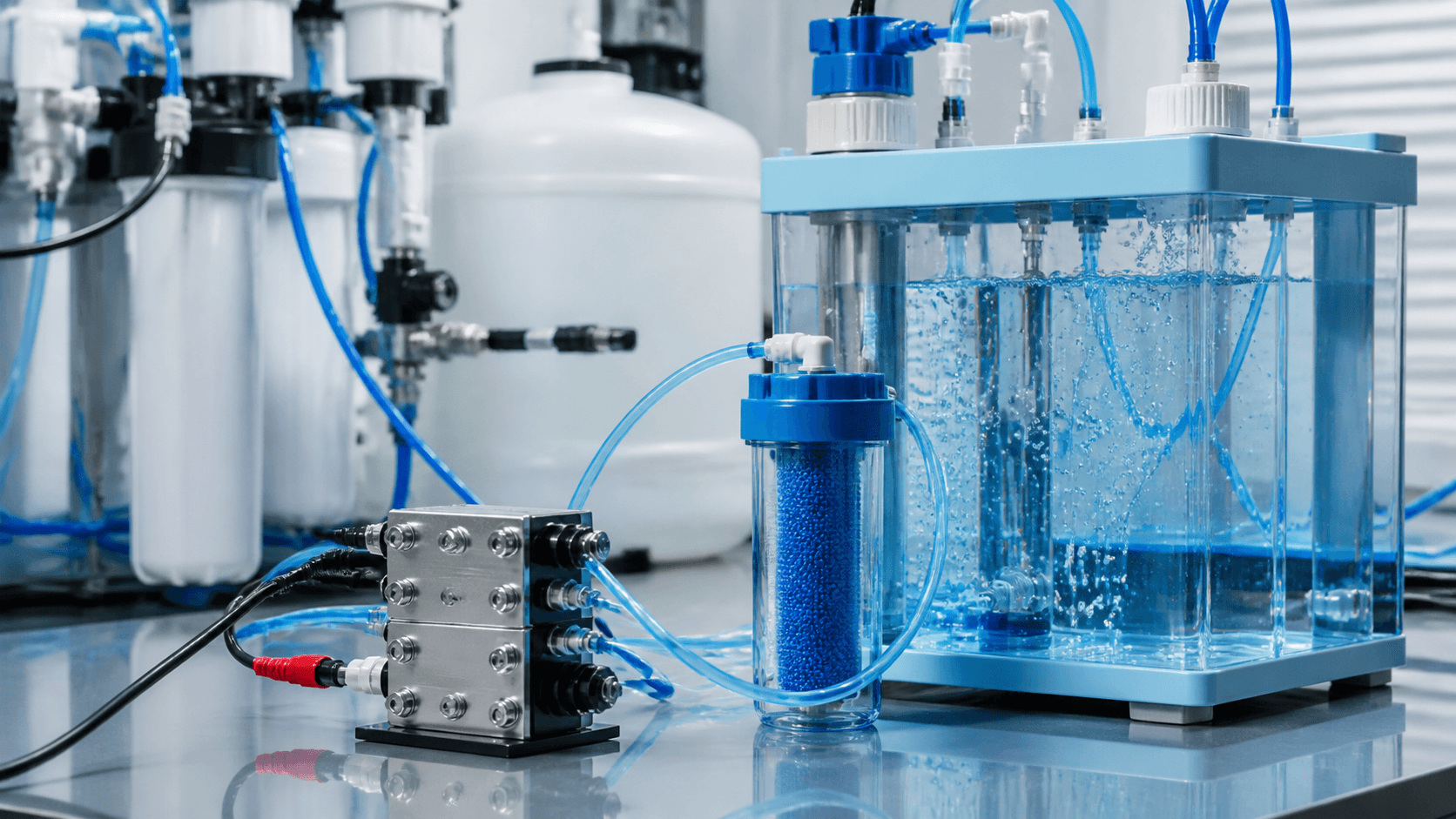
Plan utilities and the laboratory interface
A reliable laboratory installation depends on ordinary details: stable electrical supply, water quality, drainage where applicable, sufficient clearance, ventilation, access for service and a route for safe gas connection. Review these in the actual room rather than only on a floor plan. A compact generator still requires space around it for operation and maintenance.
Water management deserves early attention. The required inlet water quality, filtration or purification arrangement and replenishment routine should be clear before installation. Treat water as an operating input, not an afterthought. Poor water planning can create avoidable interruptions and makes ownership less predictable.
Controls should serve the users. Decide whether a local display is enough, whether the facility needs remote status, whether an instrument requires an interlock and what information the laboratory manager needs after an alarm. Integration requirements are usually easier to accommodate during specification than after delivery.
Make safety part of the project brief
Hydrogen safety is a system topic. It involves the equipment, installation, distribution, ventilation, detection where required, emergency procedures and local codes. The laboratory should involve its safety officer and qualified local professionals early. A web article cannot determine the requirements for a specific building or jurisdiction.
Map where gas may be present: the generator, tubing, fittings, storage, process connections and any enclosed areas. Define who may operate the equipment, how shutdown is performed, and how the team responds to an abnormal condition. These decisions need to align with the final equipment documentation and applicable regulations.
Commissioning should validate not just production but the user workflow: startup, normal monitoring, process connection, planned shutdown, alarms and maintenance handover. Keep a record of the as-installed configuration so future researchers understand the system they are using.
Need a configuration direction for your application?
Share your required flow, purity, pressure, operating profile and destination. Our team will help identify the questions your specification should answer.
Prepare an inquiry that leads to useful answers
Send a structured inquiry: application, instrument or experiment type, normal and maximum flow, required purity and pressure, hours of operation, site utilities, available space, country of installation, integration request and expected timeline. If several users share the system, include a simple simultaneous-use schedule.
A good supplier response should ask questions as well as provide a model number. It should describe the proposed system boundary, assumptions, utility requirements, delivery condition and any items that must be confirmed locally. That transparency is a better indicator of project readiness than an isolated headline specification.
Prepared by Sunny Shen, Hydrogen Solutions Consultant at Vemdra. This guide is an engineering planning resource, not a substitute for a site-specific hazard review, applicable codes, or the instructions supplied with the final equipment.
Frequently asked questions
Is a laboratory PEM electrolyzer suitable for every hydrogen use?
No. Suitability depends on required flow, purity, pressure, duty cycle, site conditions and laboratory safety requirements.
What should a laboratory confirm before ordering?
Verify use points, gas condition, utilities, installation space, safety approach, integration needs and maintenance responsibility.
Can the system support future experiments?
Potentially. Identify expected expansion early so capacity, interfaces and distribution can be assessed against a documented future case.
How this guide was prepared
Vemdra's editorial team uses application discussions, project-planning experience and publicly available technical references to frame these guides. Technology claims and site requirements should always be checked against current equipment documentation and local standards before a purchase or installation decision.
For background reading, consult the U.S. Department of Energy overview of hydrogen production by electrolysis and applicable local regulations.