Model Matched
Product media is assigned to VDHG-5N06-P3.
 Request a Project Review
Small Equipment
Model VDHG-5N06-P3. Product information and technical parameters are matched to the current product information sheet.
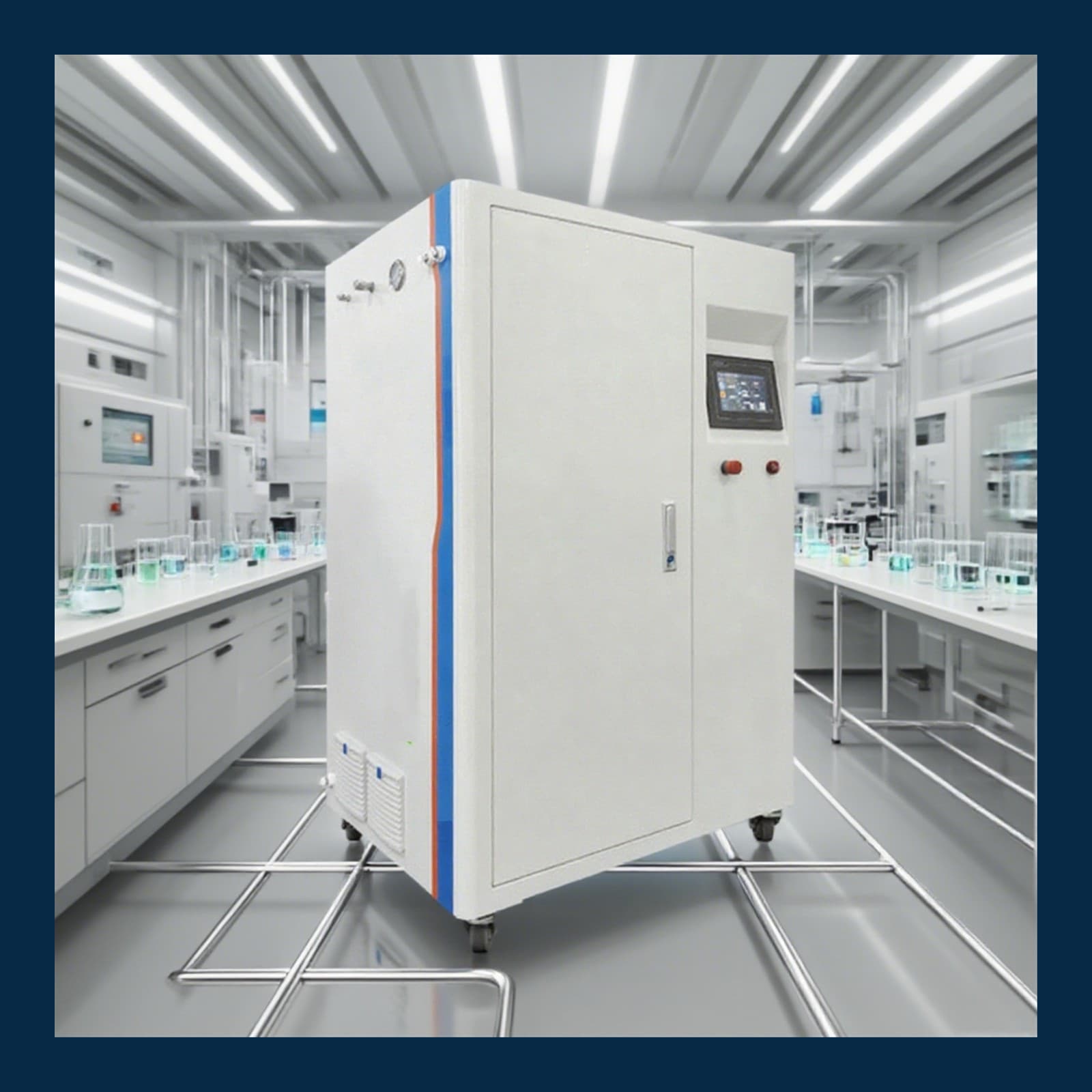
OVERVIEW
Glass manufacturing, metal smelting, cogeneration (CHP), semiconductor industry, integrated multi-energy independent microgrids
SPECIFICATIONS
Parameters are transcribed from the English product information sheet for VDHG-5N06-P3.
PRODUCT SUPPORT
Product media is assigned to VDHG-5N06-P3.
Technical values are listed from the source sheet.
Listed applications are included below.
Published details are kept within the supplied materials.
Use the inquiry form for a project discussion.
Product catalogue resources are available on request.
APPLICATIONS
Glass manufacturing
metal smelting
cogeneration (CHP)
semiconductor industry
integrated multi-energy independent microgrids
DOWNLOADS
FAQ
A hydrogen production system is an integrated arrangement that produces hydrogen and manages the supporting functions needed for safe, usable delivery. Depending on the project, it can include water treatment, electrolysis, gas drying or purification, controls, storage interfaces, pressure management, monitoring and safety equipment. The value of an integrated system is that these elements are engineered around the same production target and end-use conditions. Buyers should define the required output, purity, pressure, operating hours, electrical source, installation environment and downstream process before selecting a solution. This ensures the system boundary is clear and avoids gaps between hydrogen generation and actual use.
Hydrogen production systems may combine PEM water electrolysis with water treatment, gas conditioning, control and monitoring equipment, depending on the selected model and project requirements. PEM technology is often chosen for compact design, responsive operation and renewable-hydrogen applications, while the supporting equipment is configured around the target gas quality, pressure and consumption pattern. The exact technology mix should be confirmed from the model specifications and engineering scope, rather than inferred from a catalogue image. During early discussions, buyers should provide end-use requirements, utilities, available footprint, integration interfaces and applicable standards so the proposed hydrogen production system can be technically complete.
Hydrogen production systems can serve laboratories, research facilities, renewable-energy projects, fuel-cell applications, electronics, materials processing, chemical processes and other users that need a defined on-site hydrogen supply. Suitability is determined by the application’s hydrogen quality, flow, pressure, duty cycle and compliance requirements, not by industry name alone. A laboratory may prioritise compactness and analytical purity, whereas an industrial project may focus on production continuity, controls, storage and integration with existing plant systems. Buyers should document the intended process, gas specification, consumption profile, installation location, operating personnel and local requirements before selecting a hydrogen production system.
A complete hydrogen solution can be scoped around the production process and the interfaces needed at the site, including equipment selection, technical documentation, controls and project-specific integration requirements. The final scope depends on what the customer already has and what must be supplied, such as water treatment, compression, storage, gas conditioning, monitoring, installation support or downstream connections. To evaluate a turnkey arrangement, share the site layout, utilities, required output and purity, target pressure, delivery boundary, schedule and applicable codes. This allows responsibilities and exclusions to be defined clearly before procurement, which is essential for a workable integrated hydrogen production system.
Start with the hydrogen consumer: quantify peak and average demand, purity, delivery pressure, hours of operation and expected growth. Then evaluate the available power, water quality, footprint, ventilation, control requirements, storage needs and site regulations. These factors determine whether the system requires only a generator or a broader configuration with gas treatment, buffering, pressure management and monitoring. Budget should include installation and lifecycle requirements as well as equipment cost. A clear application brief, preferably with process data and layout information, enables a supplier to recommend a hydrogen production system with appropriate capacity and interfaces instead of a generic catalogue configuration.
Customization and OEM discussions can be evaluated for projects that require a particular capacity, enclosure, control interface, branding, documentation package or integration arrangement. Feasibility depends on the selected technology, expected volume, certification requirements, delivery schedule and the degree of engineering change. Buyers should provide a technical requirement document that defines the product function, target markets, applicable standards, interface requirements, quantities and acceptance criteria. Early alignment is particularly important for hydrogen equipment because safety, utilities and controls must be considered together. A structured review helps determine whether a standard hydrogen production system, a configured solution or an OEM programme is the appropriate route.
PROJECT INQUIRIES
Send your requirements and we will respond with the relevant product information.