

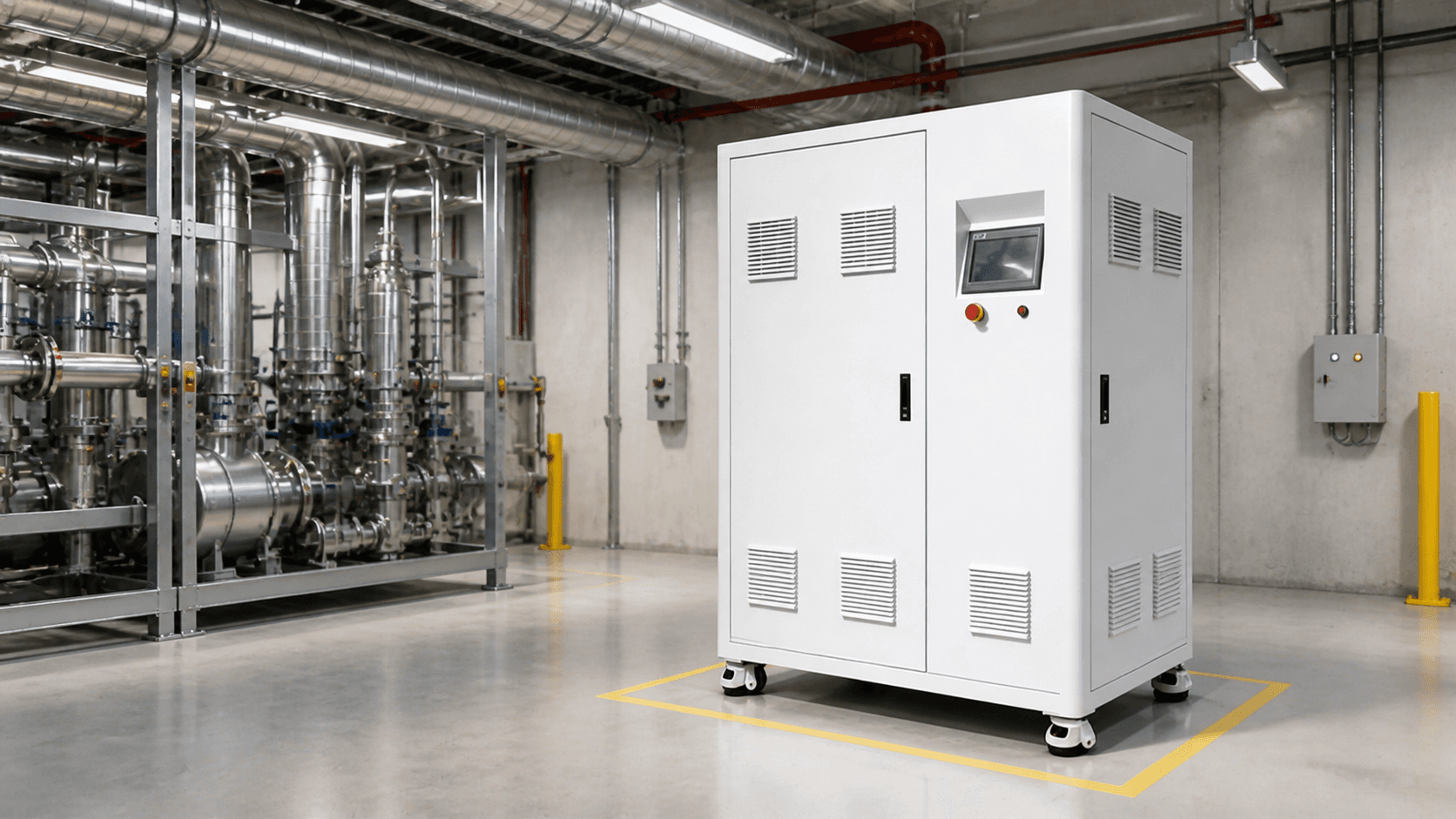
Specify purity from the process risk
Industrial hydrogen purity is not a marketing label; it is a requirement at the point of use. The right specification depends on what the hydrogen contacts and what happens when an unwanted component reaches that process. A heat-treatment atmosphere, a chemical reaction, a fuel-cell test bench and an analytical instrument can each have very different sensitivities.
Start with the downstream equipment maker, process owner or quality team. Ask for the required hydrogen composition, moisture limit, allowable oxygen or other contaminants, delivery pressure and any stability requirement. If no written limit exists, record the operating consequence of an out-of-spec gas condition and treat it as an engineering question before a supply system is selected.
Avoid selecting an unnecessarily high purity only because it sounds safer. Higher conditioning or verification requirements can change cost, maintenance and system complexity. The best target is a documented purity level that protects the process and can be verified at the agreed delivery boundary.
Separate production purity from delivered purity
A specification should distinguish the generator outlet from the gas that reaches the process. Between those points, hydrogen may pass through dryers, purifiers, pressure regulators, storage, piping, fittings and distribution manifolds. Each component can affect moisture, pressure stability, cleanliness or the risk of cross-contamination.
Write the required condition at the final connection to the process. Include normal and peak flow, inlet pressure range, purity target, moisture requirement, acceptable pressure fluctuation, connection standard and any filtration requirement. This gives suppliers and integrators a common basis for deciding whether conditioning or point-of-use treatment belongs in the scope.
The same discipline applies when several users share one system. Identify which use point has the tightest requirement, whether different grades need separate distribution, and how backflow is prevented. A distribution layout that is acceptable for one process may not protect a more sensitive user on the same line.
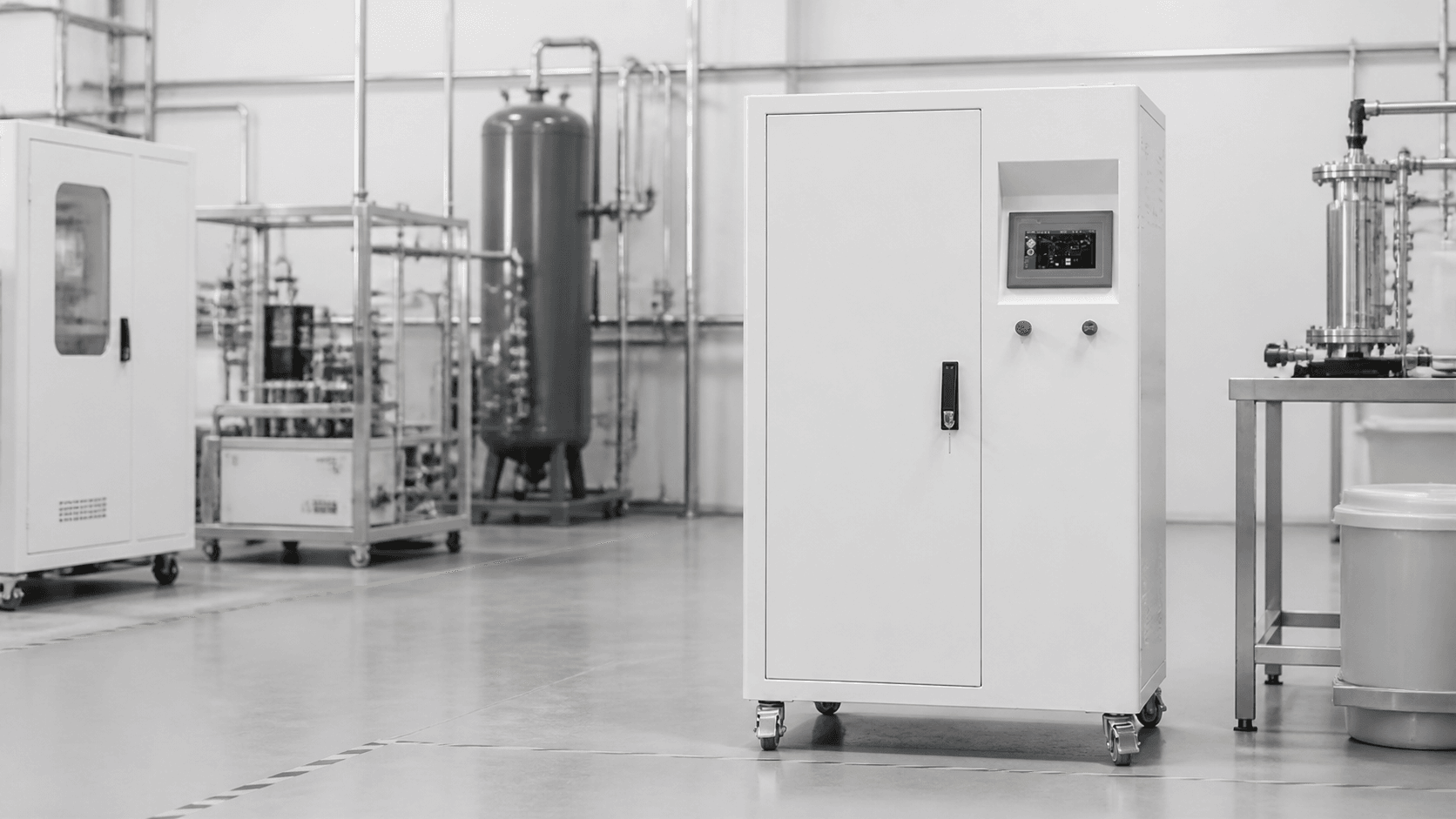
Identify the contamination pathways
Contamination can originate from incoming water, the generation process, materials in the gas path, storage, pipework, maintenance activity or an unintended connection to another gas system. The purpose of an early review is not to assume a failure; it is to identify which pathways matter for the application and how they will be controlled.
Water quality deserves specific attention in electrolytic hydrogen systems. The required feedwater arrangement, monitoring routine and maintenance responsibility should be clear before commissioning. A reliable gas specification relies on reliable operating inputs and a practical service routine.
For critical processes, discuss sampling locations and shutdown behavior. Decide what occurs if pressure, moisture, purity indication or another agreed condition falls outside the expected range. Clear alarm ownership and isolation logic are often as important as the nominal gas specification.
Plan verification and documentation before installation
Verification should be proportionate to process risk. Some applications may rely on equipment documentation, defined water quality and routine operating checks; others may require a formal test method, acceptance threshold, sampling plan or recurring analysis. Agree the method, measurement location and responsibility before the system is delivered.
Do not compare purity numbers without checking the test basis. Ask what is measured, which method is used, whether the result applies at the generator or process inlet, and what operating conditions were present during the test. This context is essential when several suppliers use different language in data sheets.
Document the as-installed gas path, conditioning components, approved materials, maintenance intervals and any customer-owned equipment. That record supports troubleshooting, repeat orders and future process changes, especially when the system is exported or operated by multiple teams.
Need a configuration direction for your application?
Share your required flow, purity, pressure, operating profile and destination. Our team will help identify the questions your specification should answer.
Turn purity requirements into a useful inquiry
A useful inquiry states the application first, then the delivered gas condition. Include required purity and moisture limit, normal and peak flow, delivery pressure, operating hours, process sensitivity, storage or distribution scope, available utilities, destination country and requested timeline.
If the specification is still developing, share the open questions rather than guessing. A technical review can identify the process owner information, test method or interface details needed before a final configuration is recommended. This is more reliable than selecting a generator only from a headline flow rate.
The result should be a clear system boundary: what the hydrogen equipment supplies, what the OEM or site supplies, where the delivery condition is verified and who owns the final installation decisions.
Prepared by Sunny Shen, Hydrogen Solutions Consultant at Vemdra. This guide is an engineering planning resource, not a substitute for a site-specific hazard review, applicable codes, or the instructions supplied with the final equipment.
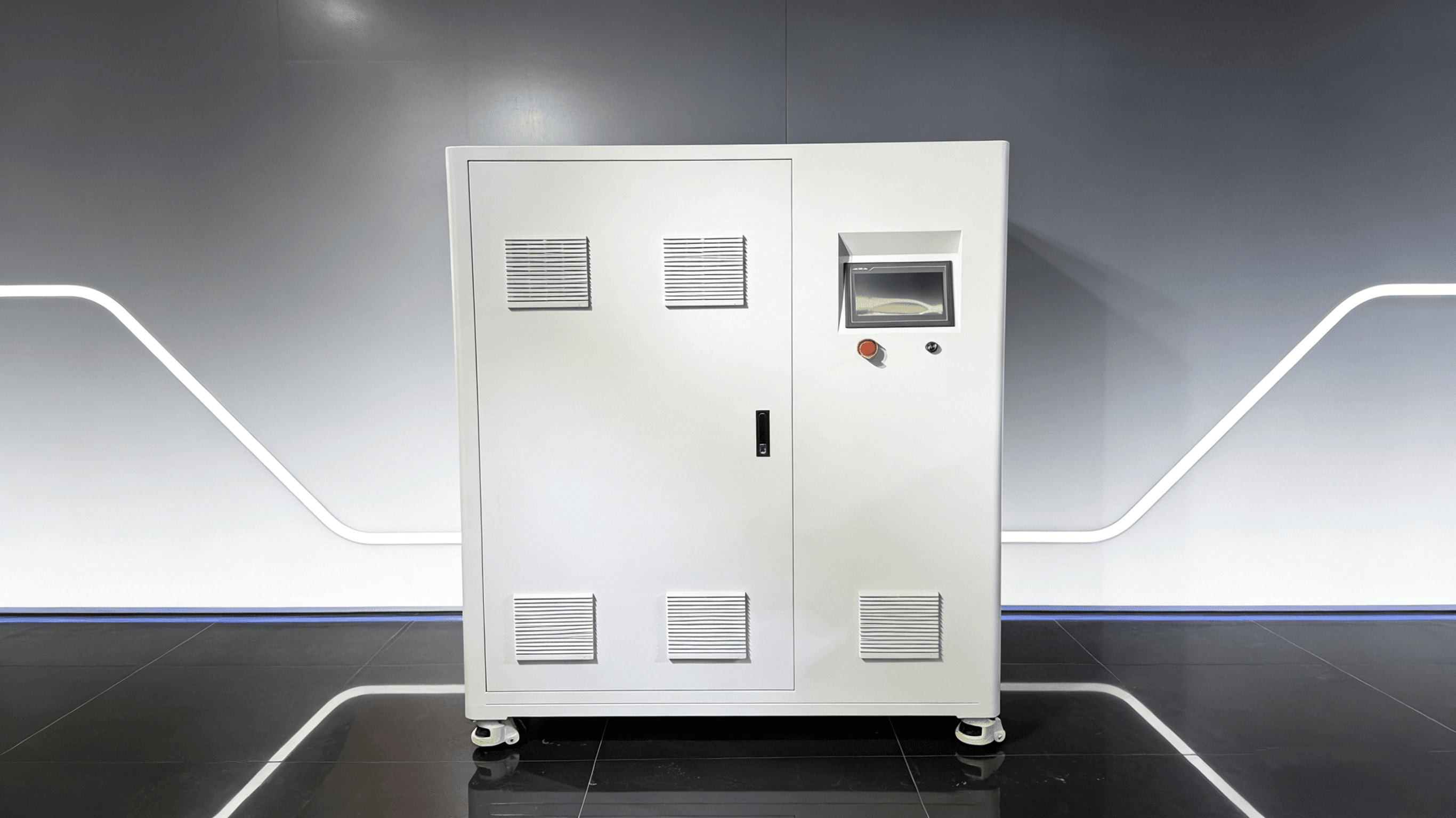
Frequently asked questions
What hydrogen purity should an industrial process use?
Use the purity and contaminant limits defined by the downstream process, equipment manufacturer or internal quality team. The correct level depends on the application and the delivered gas condition at the point of use.
Is generator outlet purity the same as process-inlet purity?
Not necessarily. Conditioning, storage, regulators, piping and distribution components can affect the delivered gas condition, so the final requirement should be specified at the process connection.
How should purity be verified?
Define a method appropriate to the process risk: the measurement location, test method, acceptance threshold, operating conditions and responsibility should be agreed before commissioning.
How this guide was prepared
Vemdra's editorial team uses application discussions, project-planning experience and publicly available technical references to frame these guides. Technology claims and site requirements should always be checked against current equipment documentation and local standards before a purchase or installation decision.
For background reading, consult the U.S. Department of Energy overview of hydrogen production by electrolysis and applicable local regulations.