

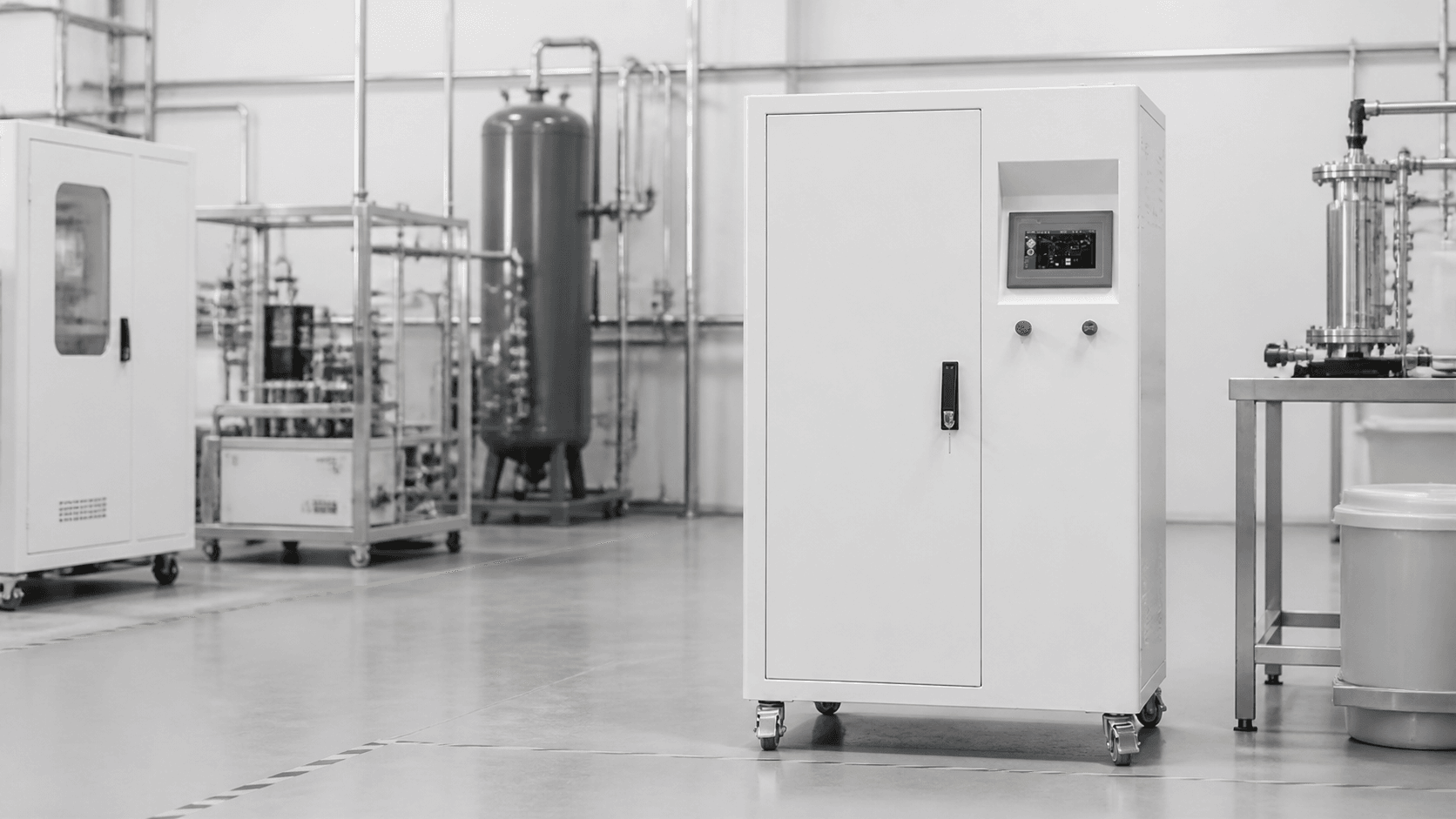
Start with the OEM product, not the hydrogen cabinet
For an OEM, hydrogen generation is usually one subsystem inside a larger machine, test platform or energy product. The integration decision should therefore begin with the end product's operating scenario: what the equipment must do, who operates it, where it is installed and what happens when hydrogen is unavailable. A generator model is an output of this process, not the starting point.
Map the expected hydrogen demand across the actual duty cycle. Include startup, purge events, steady operation, peak consumption, standby periods and planned future variants. This avoids a common mismatch: a generator may appear adequate on average but not meet a short peak required by a test sequence or production cycle.
The project team should agree the intended system boundary early. Clarify whether the OEM needs a hydrogen generator only, an integrated cabinet with conditioning and buffer storage, or a packaged subsystem with controls, documentation and factory acceptance support. A defined boundary makes design, quotation and responsibility discussions more productive.
Define the hydrogen delivery condition at the interface
The most useful specification describes hydrogen where it enters the OEM equipment. Record normal and maximum flow, inlet pressure range, purity, moisture or contamination limits, connection type and acceptable pressure fluctuation. These values should come from the downstream stack, instrument, reactor or process owner wherever possible.
Do not assume that the generator outlet condition is automatically the delivered condition. Tubing, regulators, dryers, purification, storage and the internal distribution layout can all affect what reaches the use point. Treat these items as part of the integration scope when they are necessary to meet the required gas condition.
Where several consumers share the supply, identify whether they can operate simultaneously. Include isolation requirements, backflow protection and the preferred strategy during a low-pressure or alarm condition. A simple interface schedule prevents important requirements from being buried in drawings or emails.
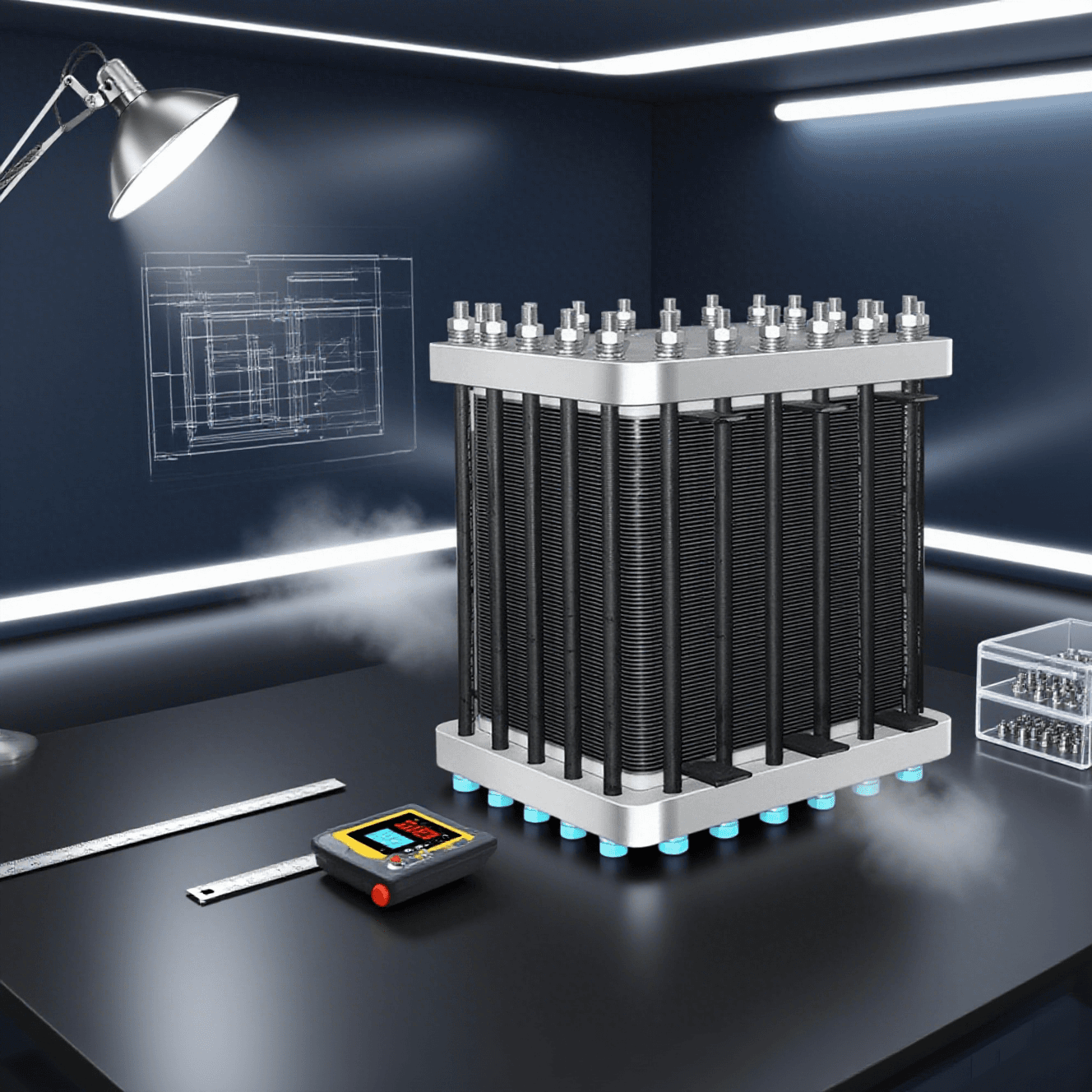
Design utilities, footprint and service access together
A compact hydrogen module still requires practical site interfaces. Review electrical supply, water quality and replenishment, drainage where applicable, ventilation approach, heat rejection, clearances and the route for safe gas piping. These requirements should be reflected in the OEM enclosure, skid or customer installation guide rather than added after the mechanical layout is fixed.
Service access is an integration requirement. Allow space for routine inspection, water service, filters, connectors and replacement of agreed consumable parts. A layout that looks compact in a 3D model can become difficult to maintain once cables, panels and safety clearances are installed.
For exported equipment, record the destination country, ambient conditions, shipping configuration and intended installation environment. Local electrical practices, site approvals and logistics constraints can affect the final package. The responsible local parties should review applicable requirements before an installation commitment is made.
Make controls and safety signals part of the architecture
Decide what the host machine needs to know from the hydrogen subsystem. Typical requirements may include ready status, production status, pressure or quality alarms, emergency-stop logic, remote enable, fault reset and logged operating data. The exact signals, protocol and ownership must be agreed at the specification stage.
Define the safe state for both systems. For example, determine how the hydrogen generator reacts when the host machine stops, how the host reacts to a hydrogen alarm and who controls the final shutdown sequence. These are system-level decisions that require coordination between mechanical, electrical, controls and safety stakeholders.
Hydrogen safety must be reviewed for the as-installed system. Equipment documentation supports that review, but it does not replace site-specific hazard assessment, ventilation design, operator procedures or compliance with applicable local codes. Involve qualified local professionals and the final equipment documentation before commissioning.
Need a configuration direction for your application?
Share your required flow, purity, pressure, operating profile and destination. Our team will help identify the questions your specification should answer.
Validate the integration before repeat production
A first integrated unit should have a written verification plan. Confirm gas delivery at the OEM interface, control and alarm behavior, startup and shutdown sequence, duty-cycle performance, documentation, service access and operator handover. Factory acceptance testing is an effective point to resolve interface issues before shipment.
For repeatable OEM platforms, convert the agreed configuration into a controlled interface package: drawings, bill of materials boundary, utility schedule, software I/O list, installation instructions, acceptance criteria and approved revision history. This protects both the OEM product and the hydrogen subsystem from untracked changes.
A useful supplier discussion ends with open actions, not only a product number. Share the application, flow profile, gas condition, system layout, electrical and water information, control request, destination and target timeline. That gives the integration team a sound basis for a practical configuration direction.
Prepared by Sunny Shen, Hydrogen Solutions Consultant at Vemdra. This guide is an engineering planning resource, not a substitute for a site-specific hazard review, applicable codes, or the instructions supplied with the final equipment.
Frequently asked questions
Can a PEM hydrogen generator be integrated into an OEM enclosure?
Potentially, but the enclosure and installed system must be reviewed for utilities, ventilation, access, heat management, controls, safety requirements and the final application duty cycle.
What information should an OEM share first?
Provide the end-use application, hydrogen flow profile, delivered purity and pressure, machine operating cycle, utilities, available space, controls interface, destination country and expected production volume.
Who defines the final safety and compliance approach?
The final approach depends on the equipment scope and installation jurisdiction. The OEM, equipment supplier and qualified local professionals should define responsibilities before commissioning.
How this guide was prepared
Vemdra's editorial team uses application discussions, project-planning experience and publicly available technical references to frame these guides. Technology claims and site requirements should always be checked against current equipment documentation and local standards before a purchase or installation decision.
For background reading, consult the U.S. Department of Energy overview of hydrogen production by electrolysis and applicable local regulations.