Model Matched
Product media is assigned to VDHG-L04-P1.5.
 Request a Project Review
Hydrogen Generators
Model VDHG-L04-P1.5. Product information and technical parameters are matched to the current product information sheet.
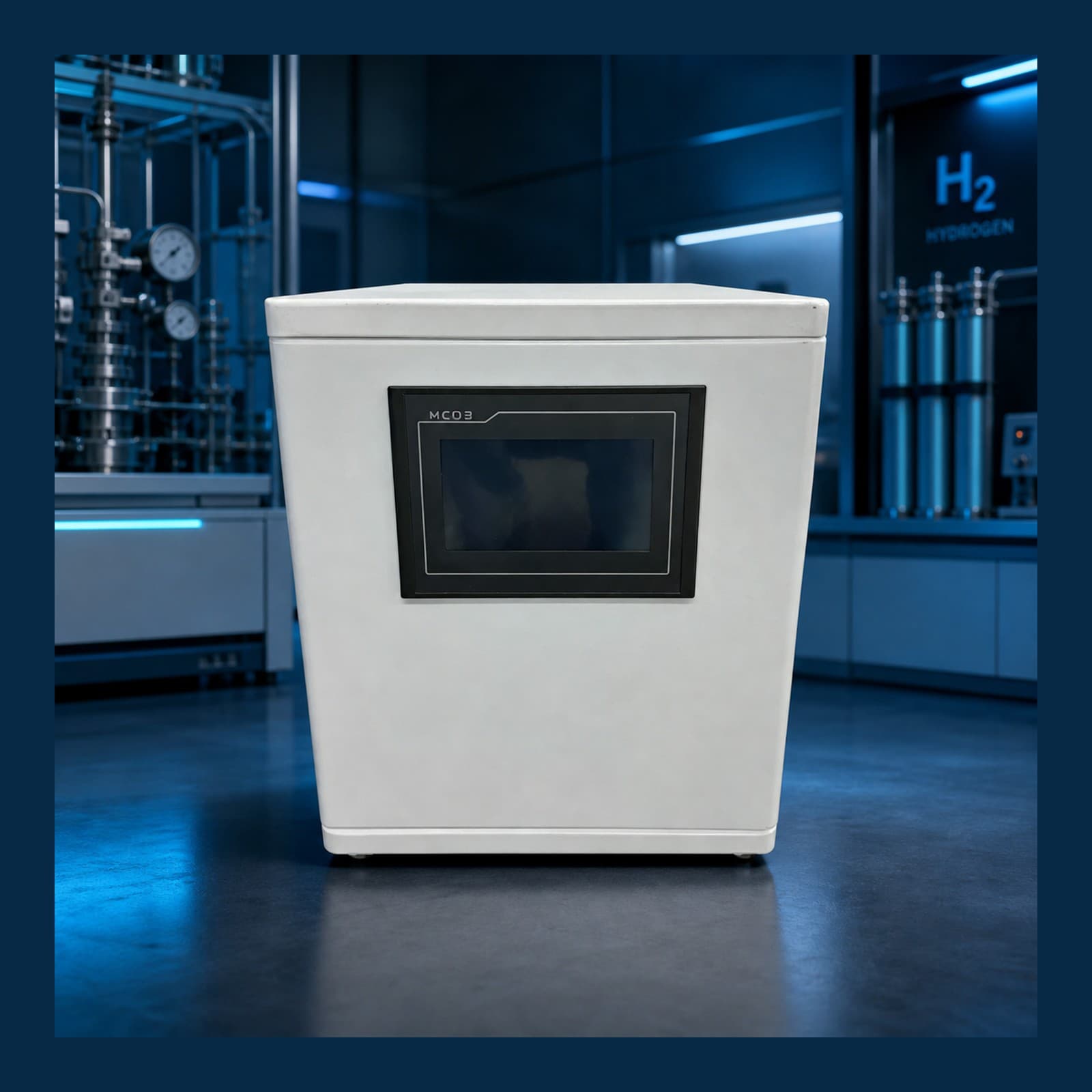
OVERVIEW
Household hydrogen production for hydrogen-powered bicycles; stable gas source for semiconductor and electronics, petrochemical synthesis, metal heat treatment, powder metallurgy, and laboratory use
SPECIFICATIONS
Parameters are transcribed from the English product information sheet for VDHG-L04-P1.5.
PRODUCT SUPPORT
Product media is assigned to VDHG-L04-P1.5.
Technical values are listed from the source sheet.
Listed applications are included below.
Published details are kept within the supplied materials.
Use the inquiry form for a project discussion.
Product catalogue resources are available on request.
APPLICATIONS
Household hydrogen production for hydrogen-powered bicycles
stable gas source for semiconductor and electronics
petrochemical synthesis
metal heat treatment
powder metallurgy
and laboratory use
DOWNLOADS
FAQ
A hydrogen generator produces hydrogen on site, typically by splitting purified water through electrolysis. In a PEM hydrogen generator, direct current passes through a proton exchange membrane, generating hydrogen and oxygen in separate pathways; the hydrogen can then be dried or conditioned for the required use. On-site hydrogen generation reduces dependence on cylinder logistics and allows supply to be matched to operating demand. When comparing systems, buyers should review hydrogen flow, purity, delivery pressure, water quality, electrical supply, duty cycle, ventilation and the downstream equipment that will consume the gas. The correct configuration is determined by the complete application, not capacity alone.
Hydrogen purity depends on the model, operating conditions and any downstream drying or purification arrangement. The applicable purity value for each Vemdra hydrogen generator is shown in its product specifications and should be matched to the end-use requirement. Analytical instruments, electronics, laboratory processes and fuel-cell applications can have different tolerance levels for moisture and contaminants, so a generic purity claim is not a substitute for a project review. Buyers should provide the required purity standard, moisture limit, delivery pressure, continuous or intermittent consumption profile and any point-of-use filtration needs. These details determine whether a standard PEM hydrogen generator configuration is suitable or additional gas treatment is required.
A hydrogen generator can support applications that benefit from a controlled on-site supply of high purity hydrogen, including laboratories, analytical instrumentation, material processing, electronics, heat treatment, fuel-cell testing, research and selected industrial processes. Suitability depends on the required gas quality, flow, pressure, daily operating hours and site utilities. On-site hydrogen generation is especially valuable where cylinder handling, delivery frequency or storage limits create operational friction. For a technically sound quotation, purchasers should identify the consuming equipment, peak and average demand, purity specification, desired pressure, installation location and any requirement for monitoring, buffering, compression or redundancy.
A PEM hydrogen generator can reduce routine cylinder deliveries, manual handling and on-site inventory by producing hydrogen where it is used. It also gives operators more direct control of production rate and can simplify continuity planning for applications with predictable demand. The comparison should nevertheless include electricity and water consumption, maintenance, ventilation, site safety requirements, capital cost, local gas pricing and the need for backup supply. Cylinders may still be appropriate for low or infrequent consumption, while on-site hydrogen generation is often attractive for repeatable demand and locations where logistics are costly. A consumption profile is the best starting point for an objective evaluation.
Select capacity by starting with the application’s peak flow, average consumption, required delivery pressure and expected operating schedule, then allow a sensible margin for ramp-up, future demand and maintenance planning. A hydrogen generator that only meets average use may struggle during peak periods; an oversized unit can add unnecessary capital and utility cost. Buyers should also review purity, water supply, electrical service, heat rejection, floor space, noise expectations and whether a buffer vessel or backup source is needed. Share the consumption pattern in Nm3/h or L/min, hours of operation and downstream equipment details so the proposed PEM hydrogen generator can be matched to the real duty rather than a nominal figure.
PEM hydrogen generator maintenance is normally planned around water quality, filtration or purification consumables, inspections of connections and safety devices, performance checks and the manufacturer’s recommended service intervals. The exact work varies by model, operating hours and site conditions. Using the specified deionized water quality is important because poor feed water can affect system performance and component life. Procurement teams should ask for the maintenance schedule, consumable list, access requirements, remote-support options, spare-parts recommendations and expected downtime before purchase. A documented preventive-maintenance plan helps keep high purity hydrogen supply stable and makes lifecycle cost easier to predict.
PROJECT INQUIRIES
Send your requirements and we will respond with the relevant product information.